
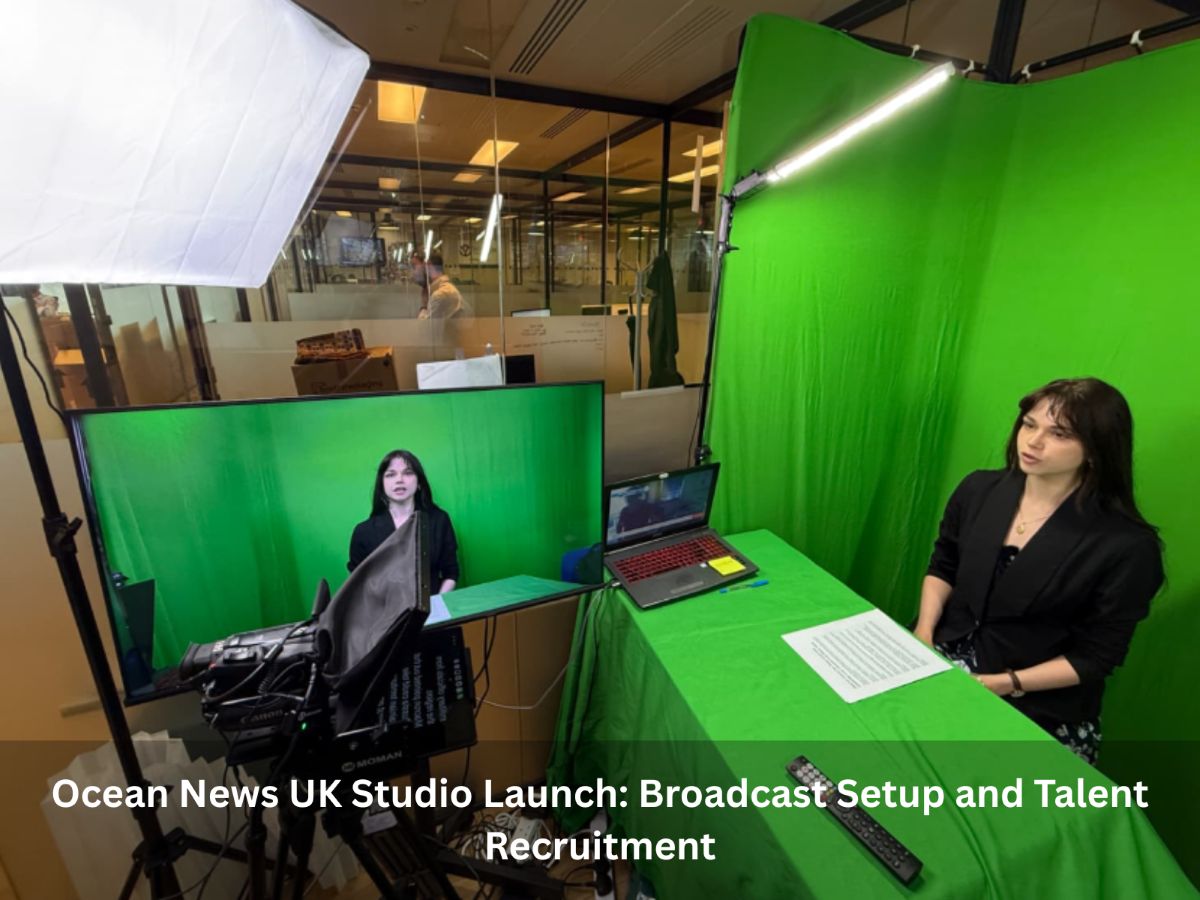
Ocean News UK Studio Launch: Broadcast Setup and Talent Recruitment
Building a professional broadcast studio setup is not just about buying cameras and microphones. It requires careful planning, the right venue selection, strong technical infrastructure, proper talent management, and clear operational workflows. All of these things work together to ensure high-quality output from the very first day.
For small to medium-sized businesses and new media companies, setting up a broadcast operation can feel complicated and stressful. Many business owners are unsure where to start. That is why choosing the right partner is important.
You need a team that understands both the technical side of broadcast production and the human side, from talent recruitment to training production crews and creating standard workflows.
The Critical First Step: Venue Selection and Studio Planning
In 2023, OceanNewsUK contacted Modasser Zaki, The CEO and Founder of Ehre Productions to build their central London broadcast hub. The first step was not installing equipment. It was finding the right location. The venue selection process affects everything, transmission quality, costs, access for talent, and future growth.
We searched across London’s commercial areas and reviewed many venues based on technical and operational needs.
Choosing the right broadcast studio location involves many important factors:
- Sound isolation: Outside noise from traffic or nearby businesses can ruin recording quality.
- Ceiling height and floor strength: The space must support lighting rigs, cameras, and acoustic treatment.
- Power infrastructure: Broadcast equipment needs strong and stable power, plus backup systems in case of emergencies.
- Ventilation and climate control: Professional lighting creates a lot of heat, especially during live productions.
Accessibility is also very important. Presenters, crew members, and guests must be able to reach the studio easily. We focused on locations near major transport links to avoid delays caused by weather or transport strikes. Parking space for production vehicles was also necessary.
After selecting the ideal venue for OceanNewsUK in central London (Aldgate Tower) we carried out detailed site surveys. We checked the electrical systems, capacity, data connectivity, and the building. This information guided all decisions about studio design, equipment setup, and installation.
Studio Design and Technical Infrastructure
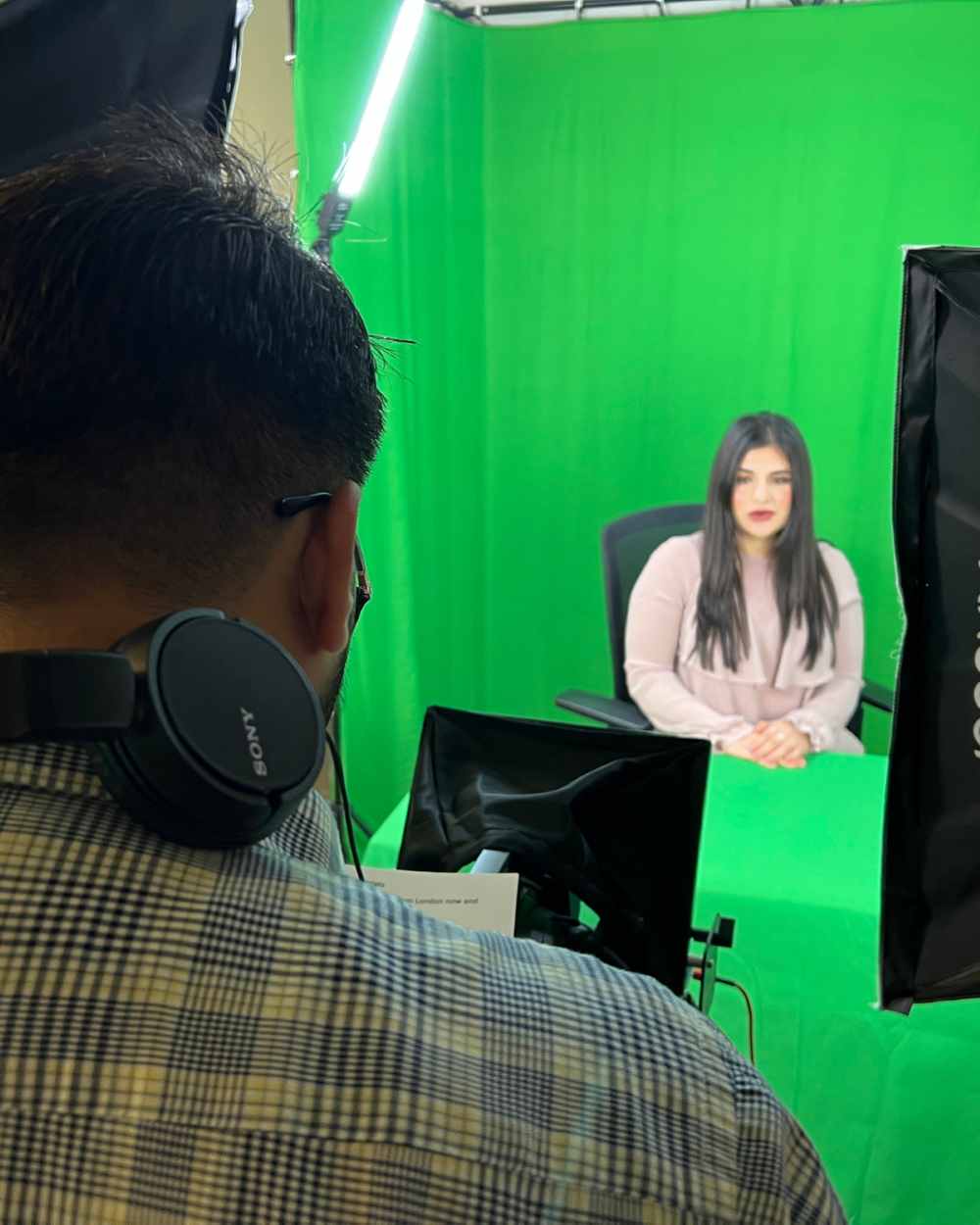 Once the venue was confirmed, we began the studio design and build phase. A professional broadcast studio setup normally includes three main areas:
- The on-air studio
- The control room
- Support areas (offices, storage, rest spaces)
On-Air Studio and Acoustic Treatment
Good sound quality is essential. Poor studio acoustics can make audio sound hollow and unclear. This increases editing time and reduces broadcast quality.
Lighting Design
Lighting affects how presenters look on camera. We installed a professional LED lighting system with adjustable colour temperatures from 3200K to 5600K. This allowed the team to adjust lighting based on the program tone or guest appearance.
The system also included dimming controls so operators could make changes during live segments without stopping the broadcast.
Control Room Setup
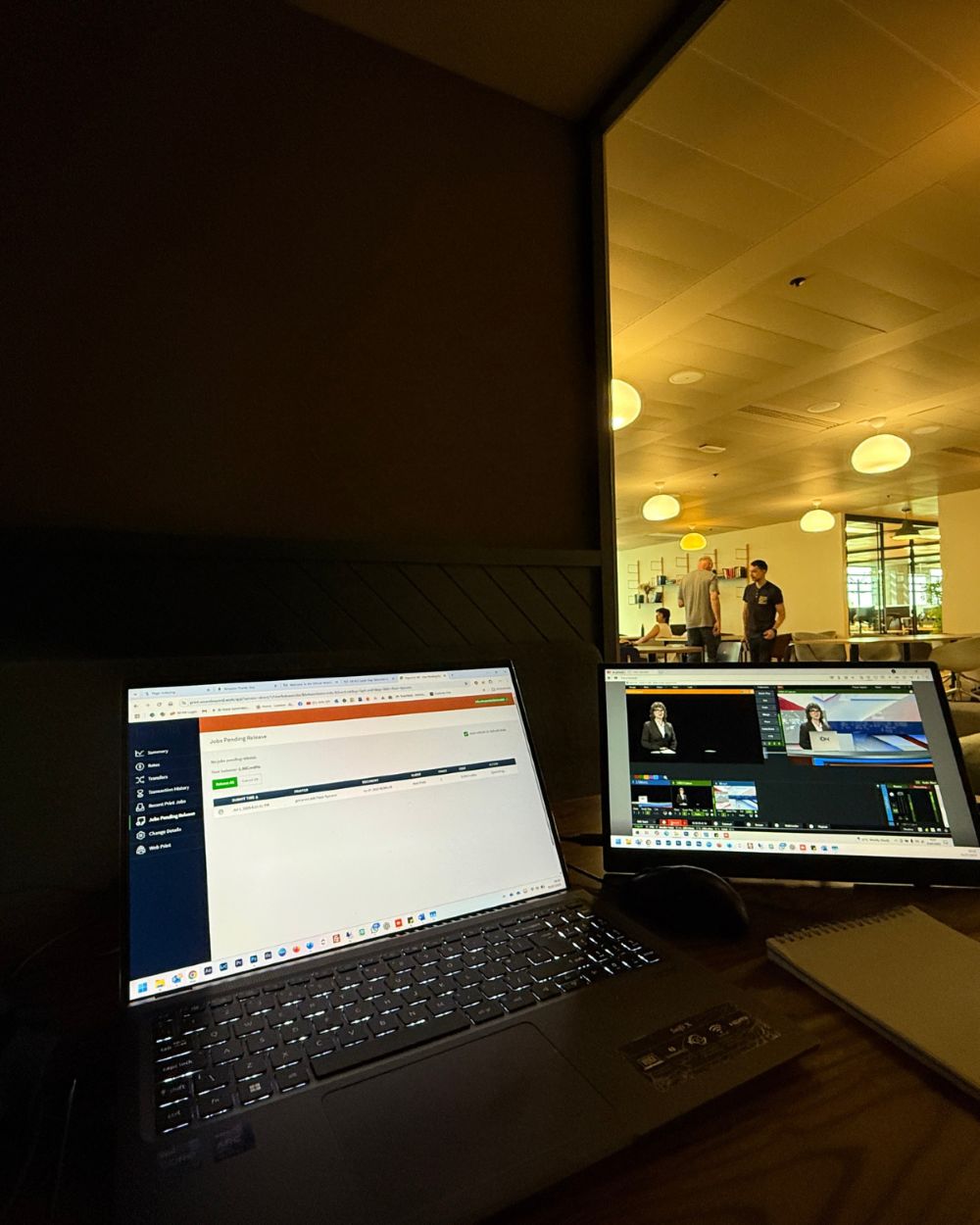
The control room is the heart of any professional broadcast studio setup. It manages:
- Camera feeds
- Audio mixing
- Graphics overlays
- Teleprompter operation
- Transmission output
We installed professional monitoring systems to ensure accurate colour and exposure. We also added redundant video servers so broadcasting would continue even if one system failed. Backup power systems protected the studio from unexpected power cuts.
Talent Recruitment and On-Screen Training
 Even the best technical infrastructure is useless without strong on-camera talent. For new media companies like OceanNewsUK, talent recruitment can be challenging.
We organised open auditions in London. Instead of focusing only on traditional journalists, we also looked for actors and presenters who could deliver scripted content confidently and naturally.
Our selection process focused on four areas:
- Vocal quality: Clear speech, good microphone control, and balanced tone.
- On-camera presence: Confidence, posture, eye contact, and natural body language.
- Script delivery: Ability to sound natural while reading written content.
- Adaptability: Willingness to take feedback and work as part of a team.
After selecting the presentation team, we provided structured training.
Training Sessions Included:
- Microphone technique and camera framing
- Understanding posture and positioning on screen
- Wardrobe and grooming guidelines for broadcast
- Managing live transmission communication through earpieces
- Handling technical problems calmly during live shows
This preparation helped the team remain confident during real broadcasts, even when facing unexpected issues.
Local Team Development and Operational Workflows
A professional broadcast studio setup also requires skilled technical staff. We recruited local London-based production coordinators.
Hiring locally improved reliability and created a stable team that understood the venue and equipment.
We also created clear operational workflows. This included:
- Equipment operation guides
- Emergency procedures
- File naming systems
- Graphics version control
- Pre-broadcast checklists
These systems reduced mistakes and improved efficiency. The team no longer had confusion about file storage or process steps. Everyone followed the same standards.
In broadcasting, even small interruptions can damage audience trust and revenue. Preventive planning reduces that risk.
This full-service approach, covering venue selection, studio design, technical infrastructure, talent recruitment, staff training, and operational workflows, defines a complete professional broadcast studio setup.
For small to medium-sized businesses, working with experienced partners reduces risk and helps launch faster.
Conclusion
Setting up a professional broadcast studio involves much more than installing equipment. It requires the right venue selection, strong technical infrastructure, skilled talent recruitment, proper staff training, and clear operational workflows.
At Ehre Productions, we have helped multiple media organisations turn their ideas into fully operational studios. With over a decade of experience, we understand both the technical and practical challenges of broadcast production.
If your business is ready to expand into professional broadcasting, we provide complete studio setup services, from design and installation to talent recruitment, crew management, and long-term operational support.
We do not just install equipment. We build sustainable broadcast operations designed for growth, reliability, and long-term success.